DIY All Purpose Cleaner with Essential Oils: Safe, Effective, and Non-Toxic Recipes
Learn how to make DIY all purpose cleaner with essential oils using safe, non toxic ingredients. Includes proven recipes and expert tips.
HOME & CLEAN
Jennifer
5/10/20263 min read

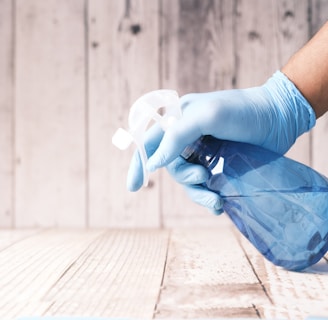
DIY All Purpose Cleaner with Essential Oils: Safe, Effective, and Non-Toxic Recipes
Learn how to make DIY all purpose cleaner with essential oils using safe, non toxic ingredients. Includes proven recipes and expert tips.
This website uses affiliate links. Clicking on a link may earn this website a commission. For more information, please see our affiliate policy.
If you want a cleaner home without harsh chemicals, a DIY all purpose cleaner with essential oils is one of the simplest and most effective swaps you can make. These blends are affordable, customizable, and backed by both traditional use and modern research on plant-based antimicrobial properties.
Table of Contents
What is a DIY all purpose cleaner with essential oils?
Why choose all natural home cleaners?
How effective are essential oil home cleaners?
Core ingredients you need
5 DIY all purpose cleaner recipes
How to use safely and effectively
Key Takeaways
FAQs
What is a DIY all purpose cleaner with essential oils?
A DIY all purpose cleaner with essential oils is a homemade cleaning solution made from natural ingredients like vinegar, alcohol, and plant-derived oils that clean, deodorize, and reduce microbes.
Unlike conventional cleaners, these formulas avoid synthetic fragrances, ammonia, and chlorine—making them ideal for families, pets, and sensitive individuals.
Why choose all natural home cleaners?
All natural home cleaners reduce chemical exposure while still maintaining a clean, hygienic environment.
Many conventional cleaners contain volatile organic compounds (VOCs), which the EPA links to indoor air pollution levels 2–5 times higher than outdoor air. Switching to non toxic cleaning recipes can significantly reduce that exposure.
Additional benefits include:
Lower environmental impact
Safer for children and pets
Reduced skin and respiratory irritation
Cost savings over time
How effective are essential oil home cleaners?
Essential oil home cleaners can be effective for everyday cleaning, especially when combined with proven agents like vinegar or alcohol.
Research highlights:
Tea tree oil shows antimicrobial activity against bacteria and fungi (Journal of Applied Microbiology).
Lemon oil has natural degreasing and antibacterial properties.
Eucalyptus oil demonstrates antiviral and antibacterial effects.
Important note: These are best for routine cleaning—not hospital-level disinfection.
What ingredients do you need for non toxic cleaning recipes?
Most DIY cleaners rely on a few simple, powerful ingredients.
Core Base Ingredients
White vinegar (cuts grease, removes odors)
Distilled water (prevents mineral buildup)
Rubbing alcohol (kills germs, speeds drying)
Castile soap (gentle surfactant)
Essential Oils for Cleaning
Lemon: degreasing, fresh scent
Tea tree: antimicrobial powerhouse
Lavender: antibacterial + calming scent
Eucalyptus: respiratory-friendly and cleansing
Peppermint: refreshing and mildly antimicrobial
Optional Boosters
Baking soda (scrubbing power)
Hydrogen peroxide (stain removal, disinfecting)
5 DIY All Purpose Cleaner Recipes
Each of these recipes is designed for specific cleaning needs while staying non-toxic and effective.
1. Everyday Vinegar-Based Cleaner
Best for: countertops, glass, general surfaces
1 cup white vinegar
1 cup distilled water
15 drops lemon essential oil
10 drops tea tree oil
Instructions:
Combine ingredients in a spray bottle
Shake before each use
Spray and wipe with a microfiber cloth
2. Alcohol-Based Disinfecting Spray
Best for: high-touch areas (doorknobs, switches)
1 cup rubbing alcohol (70% or higher)
1/2 cup water
20 drops eucalyptus oil
10 drops lavender oil
Instructions:
Mix in a spray bottle
Spray and allow to air dry for maximum effectiveness
3. Castile Soap Multi-Surface Cleaner
Best for: wood, sealed surfaces, delicate areas
2 cups warm water
1 tablespoon liquid Castile soap
10 drops lavender oil
10 drops lemon oil
Instructions:
Mix gently (avoid excessive suds)
Spray and wipe clean
4. Citrus Degreaser Spray
Best for: kitchens, stovetops, grease buildup
1 cup vinegar infused with citrus peels
1 cup water
15 drops orange essential oil
Instructions:
Infuse vinegar with citrus peels for 1–2 weeks
Strain and mix with water and oil
Spray and wipe
5. Baking Soda Scrub Cleaner
Best for: sinks, tubs, stubborn grime
1/2 cup baking soda
2 tablespoons Castile soap
10 drops tea tree oil
Instructions:
Mix into a paste
Apply to surface and scrub gently
Rinse clean
How do you use DIY cleaners safely and effectively?
Use DIY cleaners by matching the formula to the surface and following simple safety guidelines.
Quick tips:
Always label your bottles clearly
Avoid vinegar on natural stone (granite, marble)
Test on a small area first
Store in glass or high-quality plastic bottles
Keep essential oils away from pets like cats
How do you customize your essential oil home cleaners?
You can customize your cleaner by choosing oils based on scent preference and cleaning goals.
Examples:
For a fresh kitchen scent: lemon + peppermint
For calming bathroom vibes: lavender + eucalyptus
For maximum antimicrobial effect: tea tree + lemon
Start with 20–30 total drops per 16 oz bottle and adjust to preference.
Key Takeaways
DIY all purpose cleaner with essential oils is a safe, effective alternative for everyday cleaning.
Combining essential oils with vinegar or alcohol enhances cleaning power.
These cleaners reduce exposure to VOCs and synthetic chemicals.
Tea tree, lemon, and eucalyptus oils provide the strongest cleaning benefits.
DIY solutions are cost-effective and customizable for different surfaces.
FAQs
Who should use DIY essential oil cleaners?
Anyone looking to reduce chemical exposure, especially families with kids, pets, or sensitivities.
What is the best essential oil for cleaning?
Tea tree oil is widely considered the most powerful due to its antimicrobial properties.
When should you avoid natural cleaners?
Avoid them when you need hospital-grade disinfection, such as after illness outbreaks.
Where can you use DIY all purpose cleaner?
Most sealed surfaces including countertops, glass, appliances, and floors.
Why add essential oils to cleaning products?
They enhance cleaning power, provide natural fragrance, and offer antimicrobial benefits.
This article is for informational purposes only and should not be considered medical advice.
Policies
find us on social media
hello@pureblissholdings.com
© 2026. All rights reserved.
CONTACT US
Subscribe to our monthly newsletter